 Call Us : 08045804157

 Send Inquiry




 Send Inquiry
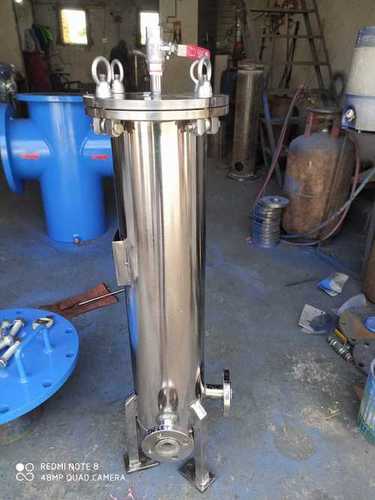
Fuel Oil Filter
MOQ : 1 Piece
Fuel Oil Filter Specification
- Filter Type
- Fuel Oil Filter
- Filtration Grade
- Pre-filter / Fine filtration
- Connecting Type
- Threaded / Flanged
- Efficiency (%)
- 98%
- Cleaning Method
- Replaceable / Washable
- Temperature Range
- -20°C to 120°C
- Media Type
- Fuel, Oil
- Flow Rate
- 20 LPM - 500 LPM
- Pressure
- Up to 10 Bar
- Capacity
- Customizable as per requirement
- Condition
- New
- Material
- Stainless Steel / Mild Steel
- Mesh
- Fine mesh, 10-100 microns available
- Diameter
- 60 mm - 250 mm
- Construction
- Cartridge / Spin-on type
- Medium Filter
- Synthetic fiber / Cellulose / Metal mesh
- Weight
- 0.5 kg - 2 kg
- Shape
- Cylindrical
- Feature
- High dirt holding capacity, Long service life, Corrosion resistant housing, High efficiency filtration
- Outer Diameter
- 63 mm / 85 mm / 120 mm (varies with model)
- Replacement Interval
- As per clogging indicator or 6 months
- Suitable For
- Diesel, Furnace oil, LDO, HSD, Kerosene
- Color
- Silver, Grey
- Mounting Type
- Inline / Direct mounting
- Maximum Operating Pressure
- 10 Bar
- End Connection
- BSP / NPT / Flange
- Operating Environment
- Industrial
- Length
- 100 mm - 400 mm
Fuel Oil Filter Trade Information
- Minimum Order Quantity
- 1 Piece
- Supply Ability
- 10000 Pieces Per Week
- Delivery Time
- 1 Week
About Fuel Oil Filter
Fuel Oil Filter is helpful in multiple industrial applications when it comes to remove contaminants from the vehicles engine that has accumulated on the engine over a period of time due o usage. The oil filter is very crucial as it cleans the engine and adds to the days assigned fro the engine. It becomes all the more significant to be used as if the cleaning of engine is avoided for long then the accumulated oil can become saturated along with the tiny and hard particles which can wear surfaces in the engine of your vehicle. Fuel Oil Filter is also used in many kinds of hydraulic machinery and other industrial tool to wash out the excess of oil on the motors or engines.
Advanced Filtration Technology
The fuel oil filter utilizes fine mesh media, ranging from 10 to 100 microns, combined with efficient synthetic fiber, cellulose, or metal mesh in its construction. This ensures optimal removal of contaminants, protecting machinery and extending fuel system life. Its high dirt holding capacity enables continuous operation with minimal maintenance, especially vital in industrial settings.
Flexible Connection and Mounting Options
Available in BSP, NPT, and flanged configurations, the filter adapts seamlessly to varied piping systems. Inline and direct mounting types offer installation flexibility to suit different industrial layouts, making this filter suitable for both new and retrofitted applications. Customizable diameter and length options ensure compatibility with existing setups.
Long-Lasting Performance in Harsh Conditions
Built with corrosion-resistant stainless steel or mild steel housings, these filters withstand pressures up to 10 Bar and temperatures from -20C to 120C. Their robust construction and reliable efficiency help maintain fuel purity and equipment longevity even under rigorous operational conditions. Washable or replaceable filters offer easy maintenance, lowering the total cost of ownership.
FAQs of Fuel Oil Filter:
Q: How does the Fuel Oil Filter maintain high filtration efficiency in industrial environments?
A: The filter achieves 98% efficiency through its fine mesh media, ranging from 10 to 100 microns, and advanced synthetic fiber or metal mesh construction. This design effectively captures even minute contaminants, ensuring clean fuel supply and protecting sensitive engine and machinery components.Q: What fuels and oils can this filter be used with, and in which applications does it perform best?
A: This filter is suitable for diesel, furnace oil, LDO, HSD, and kerosene. It performs optimally in industrial settings such as power plants, generator rooms, manufacturing units, and fuel supply systems requiring reliable filtration under varying pressure and temperature conditions.Q: When should the Fuel Oil Filter be replaced or serviced?
A: The recommended replacement interval is either when the clogging indicator signals or every six months, whichever is earlier. Filters equipped with washable media can be cleaned as needed, maintaining consistent filtration efficiency and prolonging service life.Q: Where can this filter be installed, and what mounting options are available?
A: The filter supports installation in line or direct mounting configurations, adaptable to diverse pipework and fuel lines. Connection options include BSP, NPT, or flanged types, making it easy to integrate into existing industrial systems and new installations.Q: What is the process for cleaning or replacing this filter, and what maintenance benefits does it offer?
A: Filters with washable media can be cleaned simply by removing, washing, and reinstalling them. For replaceable units, replacement cartridges or spin-on modules are available. This user-friendly maintenance reduces downtime and ensures continued high efficiency without complicated procedures.Q: How does the corrosion-resistant housing benefit long-term filter operation?
A: The stainless steel or mild steel housing resists chemical corrosion and pressure-related wear, ensuring durability in harsh industrial environments. This contributes to extended filter lifespan, reduced replacement frequency, and reliable protection of fuel systems.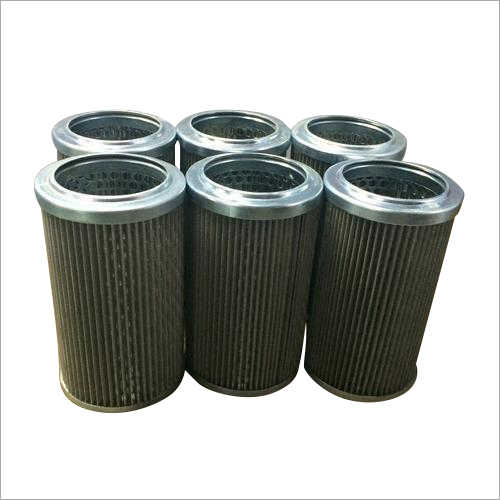
Tell us about your requirement

Price:
Quantity
Select Unit
- 50
- 100
- 200
- 250
- 500
- 1000+
Additional detail
Mobile number
Email

More Products in Oil Filters Category
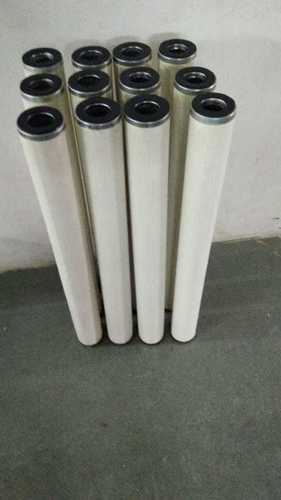
Cylindrical Filter Cartridges
Price 1000 INR / Piece
Minimum Order Quantity : 1 Piece
Color : White
Product Type : Filter Cartridge
Usage : Air, Gas and Liquid Filtration
Mesh : 0.2 Micron to 6000 Micron & More
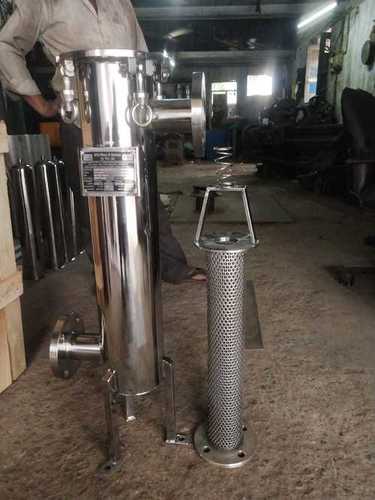
Liquid Filter Housings
Minimum Order Quantity : 1 Number
Color : Customized
Product Type : Liquid Filter
Usage : Liquid Filtration
Mesh : 0.5 Micron to 6000 Micron & More
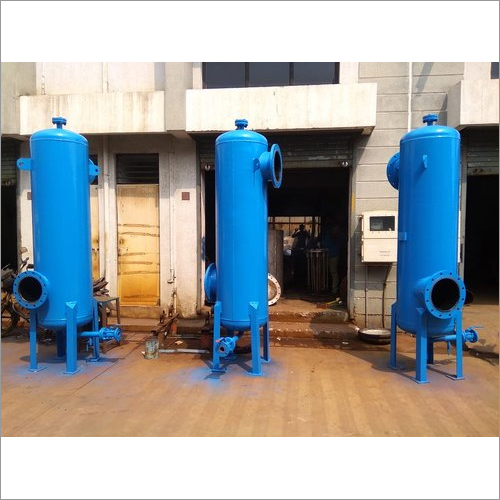
Compressed Air Oil Filter
Price 25000 INR / Piece
Minimum Order Quantity : 1 , , Piece
Color : Yellow
Product Type : Compressed Air Gas Housing
Usage : Food and beverage HVAC many Industries
Mesh : 10 to 200
SS Filter Housing
Price 8000.00 INR / Piece
Minimum Order Quantity : 1 Piece
Color : Silver
Product Type : Cartridge Filter
Usage : Air, Gas and Liquid Filtration
Mesh : 0.2 Micron to 6000 Micron & More

Contact Details

- A Wing, 4th Floor, 10 & 11, Signet Plaza, Kunal Char Rasta, Samta Gotri Road, Gotri, Vadodara - 390021, Gujarat, India
- Phone : 08045804157
GTS FILTERS AND SYSTEMS (INDIA) PRIVATE LIMITED
Vadodara - Gujarat, India
Vadodara - Gujarat, India

- Mr Nikunj Patel (Director)
- Mobile : 08045804157
- sales.gtsfilters@gmail.com

|

 Send Inquiry
 Send SMS
GTS FILTERS AND SYSTEMS (INDIA) PRIVATE LIMITED
All Rights Reserved.(Terms of Use)
Developed and Managed by Infocom Network Private Limited.
Developed and Managed by Infocom Network Private Limited.

