 Call Us : 08045804157

 Send Inquiry




 Send Inquiry
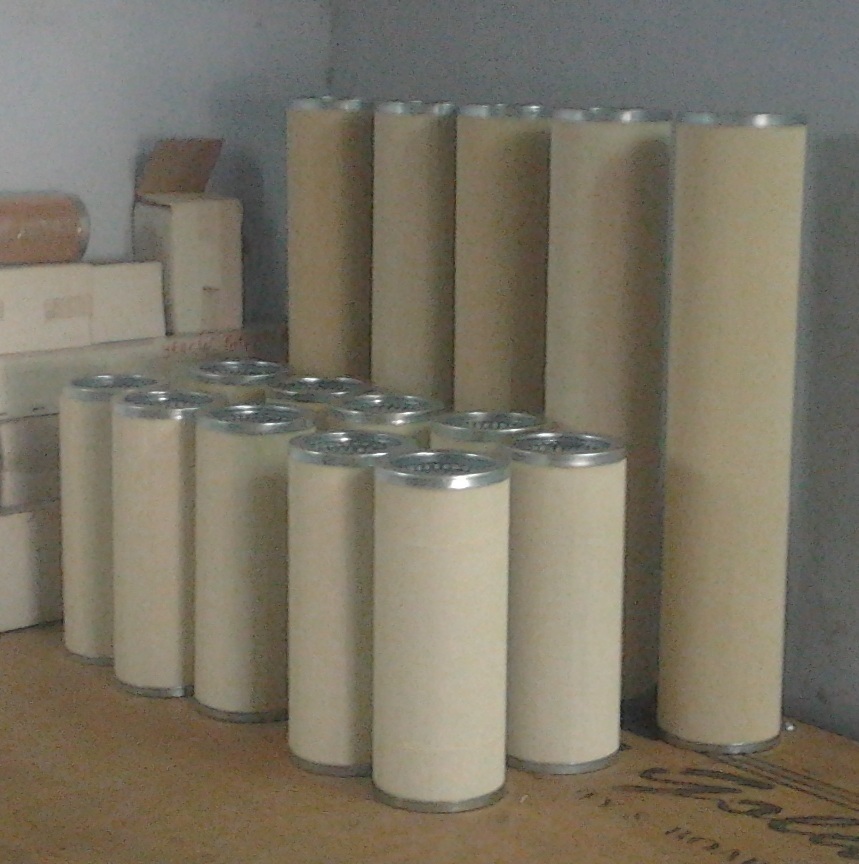
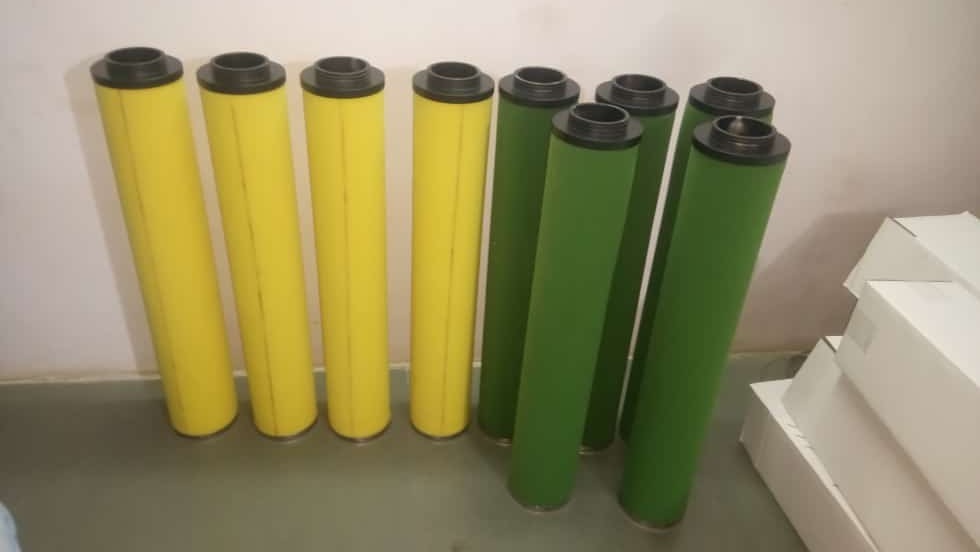
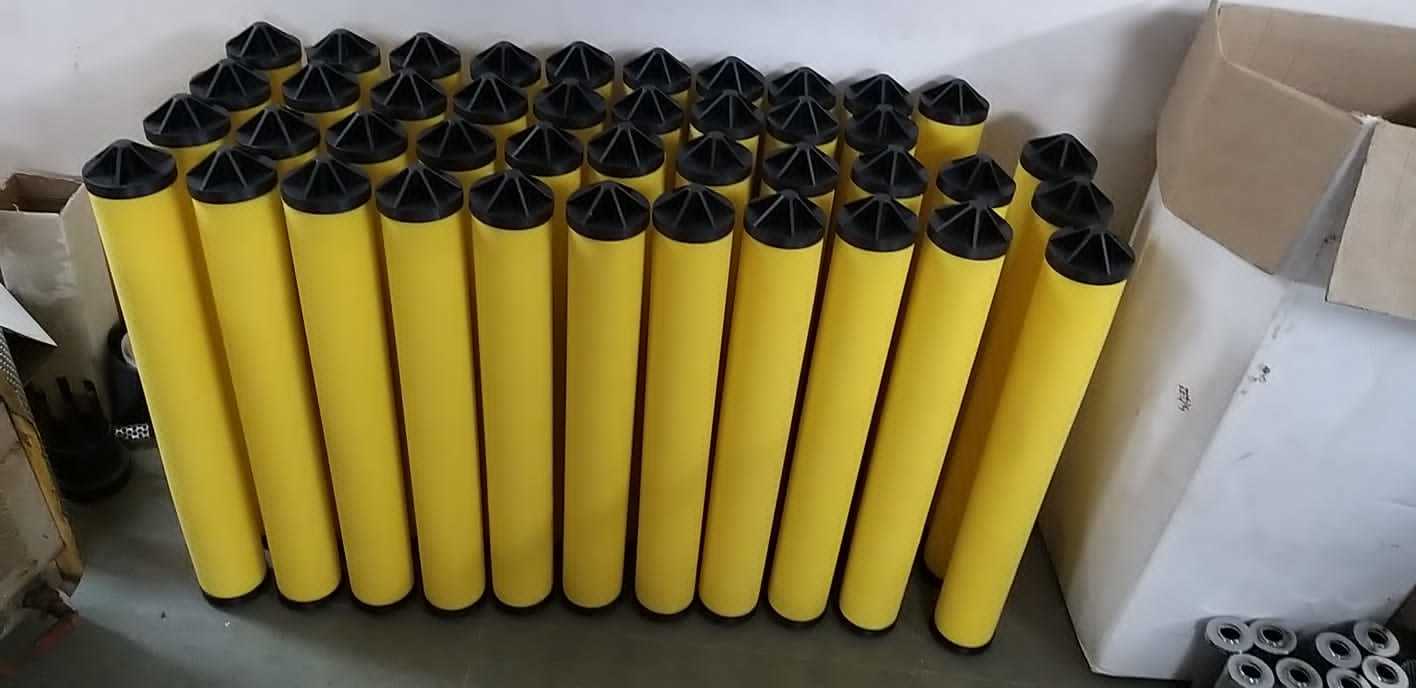
Cylindrical Air Filter
Price 1000.00-40000.00 INR/ Piece
MOQ : 1 Number
Cylindrical Air Filter Specification
- Usage
- Air and Gas Filtration
- Condition
- New
- Material
- Plastic, MS, SS, Aluminium,Polyurethane, etc.
- Mesh
- 0.01 Micron to 6000 Micron & More
- Product Type
- Filter Cartridge
- Color
- Customized
- Shape
- Cylindrical
- Feature
- Cylindrical
Cylindrical Air Filter Trade Information
- Minimum Order Quantity
- 1 Number
- Payment Terms
- Cash in Advance (CID), Cheque, Cash Advance (CA)
- Supply Ability
- 200 Per Week
- Delivery Time
- 2 Week
- Sample Policy
- Sample costs shipping and taxes has to be paid by the buyer
- Packaging Details
- Cardboard Box
- Main Export Market(s)
- Australia, North America, South America, Eastern Europe, Western Europe, Middle East, Central America, Asia, Africa
- Main Domestic Market
- Nagaland, Uttarakhand, Daman and Diu, Dadra and Nagar Haveli, Lakshadweep, , South India, North India, West India, Andaman and Nicobar Islands, Assam, Arunachal Pradesh, Bihar, Chandigarh, Goa, Haryana, Jammu and Kashmir, Jharkhand, Karnataka, Madhya Pradesh, Maharashtra, Mizoram, Meghalaya, Manipur, Punjab, Pondicherry, Rajasthan, Sikkim, Tamil Nadu, Telangana, Tripura, West Bengal, Gujarat, Delhi, East India, Andhra Pradesh, Kerala, Central India, Odisha, Chhattisgarh, Himachal Pradesh, Uttar Pradesh, All India
About Cylindrical Air Filter
We offer air filter withAluminium, CS and SS housings. air filter elements made of variousfilter medias like paper, synthetic, polyester, pp, coalescing, borosilicateglass fibre, activated carbon, HDPE, non-woven, stainless steel wire mesh,sintered bronze, sintered wire mesh and sintered powder. We also offer scrubbersystem for moisture separation from compressed air.
Filtration Rating : 0.01 Micron to 6000 Micron & More
Advantages:
- Easy to clean
- Low Pressure drop
- Large area
- Easy to operate and maintenance
- Positive Sealing to prevent bypass
- Customized design
- High dirt load holding capacity
Applications:
- Refineries and Petrochemicals
- Power Plants
- Oil & Gas
- Water filtration and Cooling Towers
- Chemical Industries
- Automobile Industries
- Steel Industries, Metals & Minerals
- Textile Industries
- Dairy and Food Industries
- Dyes, Inks and paints Industries
- Cement Industries
- Fertilizers Industries
- Pharmaceuticals
- Coolant Oils and Cutting Fluids
Versatile Micron Ratings for Diverse Applications
The cylindrical air filters are available in a wide range of micron sizes, from ultra-fine 0.01 micron filters for precision needs to 6000 micron options for coarser filtration. This versatility allows use in various industries, including chemical processing, HVAC systems, pharmaceuticals, and more, ensuring optimal air and gas purification.
Durable Materials for Maximum Performance
Constructed from high-quality materials such as stainless steel, mild steel, plastic, aluminum, and polyurethane, these filters are built for reliability and longevity. The choice of material can be tailored to fit the specific operational environment, accommodating factors like temperature, corrosion resistance, and pressure requirements.
FAQs of Cylindrical Air Filter:
Q: How does the micron rating of the cylindrical air filter affect its filtration efficiency?
A: The micron rating indicates the minimum particle size the filter can capture. A lower micron rating, such as 0.01 micron, ensures removal of ultra-fine contaminants, while higher ratings, up to 6000 micron, allow for filtration of larger particles. Choosing the right rating depends on the specific filtration needs of your application.Q: What materials are available for these cylindrical air filters, and how do I select the best one?
A: These filters are available in plastic, mild steel (MS), stainless steel (SS), aluminum, and polyurethane. The best material depends on your applicationstainless steel offers corrosion resistance, plastic is lightweight, while polyurethane provides flexibility. Consider operating environment and compatibility with filtered media when selecting the material.Q: Where can cylindrical air filters be used?
A: These filters are widely used in air and gas filtration for industries such as manufacturing, pharmaceuticals, chemical processing, HVAC systems, and food processing. Their robust construction and customizable sizes make them suitable for both industrial and commercial environments.Q: What is the process of installing a cylindrical air filter?
A: Installation typically involves fitting the cylindrical filter into the designated housing or filtration system, ensuring the mesh is correctly aligned for optimal airflow and particulates capture. Always follow the manufacturers guidelines for securing and sealing the filter to prevent leaks.Q: When should I replace or clean my cylindrical air filter?
A: Replacement or cleaning intervals depend on operational conditions and contaminant load. For critical applications, routine inspection is recommendedreplace or clean the filter when you notice increased pressure drop, decreased system efficiency, or visible clogging to maintain performance.Q: What benefits do the cylindrical shape and mesh variety offer in air and gas filtration?
A: The cylindrical design provides a larger surface area for filtration, resulting in improved airflow and greater contaminant-holding capacity. The variety of mesh sizes allows precise customization to match specific filtration requirements, enhancing overall system effectiveness.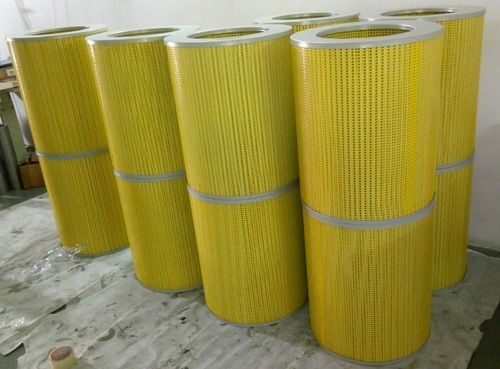
Tell us about your requirement

Price:
Quantity
Select Unit
- 50
- 100
- 200
- 250
- 500
- 1000+
Additional detail
Mobile number
Email

More Products in Air Filters Category
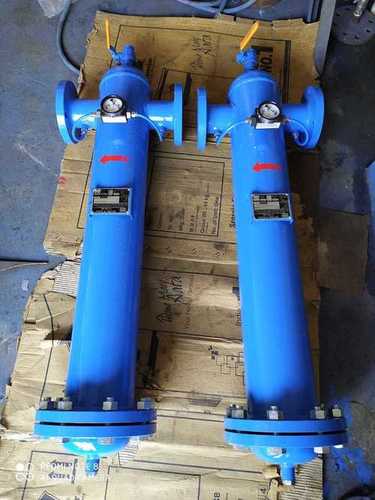
Coalescing Filters Compressed Air
Price 5000.00-300000.00 INR / Number
Minimum Order Quantity : 1 Number
Product Type : Cartridge Filter
Condition : New
Color : Customized
Material : Aluminium, CS, MS, SS304, SS304L,SS316, SS316L, SS317L
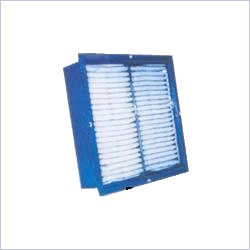
FRP Coated Air Filter
Price 1500 INR / Piece
Minimum Order Quantity : 2 Pieces
Product Type : Air Filter for AHU and Blower
Condition : New
Color : Customized
Material : MS, SS, Aluminum
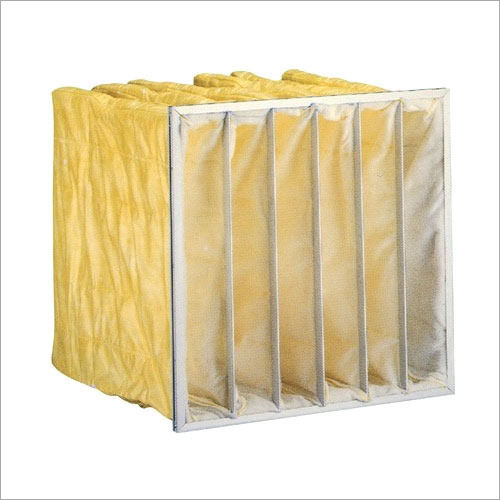
Pocket Filter
Price 5000 INR / Piece
Minimum Order Quantity : 1 Piece
Product Type : Pocket Filter
Condition : New
Color : yellow
Material : SS,MS
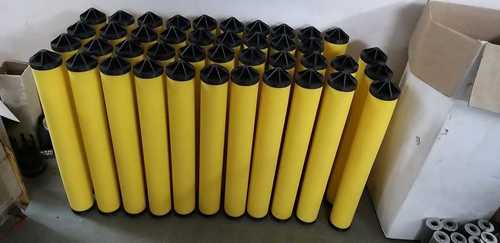
Cylindrical Air Filter Element
Price 1000.00-40000.00 INR / Piece
Minimum Order Quantity : 1 Number
Product Type : Filter Cartridge
Condition : New
Color : Customized
Material : Plastic, MS, SS, Aluminium,Polyurethane, etc.

Contact Details

- A Wing, 4th Floor, 10 & 11, Signet Plaza, Kunal Char Rasta, Samta Gotri Road, Gotri, Vadodara - 390021, Gujarat, India
- Phone : 08045804157
GTS FILTERS AND SYSTEMS (INDIA) PRIVATE LIMITED
Vadodara - Gujarat, India
Vadodara - Gujarat, India

- Mr Nikunj Patel (Director)
- Mobile : 08045804157
- sales.gtsfilters@gmail.com

|

 Send Inquiry
 Send SMS
GTS FILTERS AND SYSTEMS (INDIA) PRIVATE LIMITED
All Rights Reserved.(Terms of Use)
Developed and Managed by Infocom Network Private Limited.
Developed and Managed by Infocom Network Private Limited.

