 Call Us : 08045804157

 Send Inquiry




 Send Inquiry
High Pressure Filter
Price 15000 INR/ Piece
MOQ : 2 Pieces
High Pressure Filter Specification
- Temperature Range
- -20°C to +120°C
- Efficiency (%)
- Up to 99%
- Flow Rate
- Up to 5000 LPH (can vary by model)
- Media Type
- Liquid/Solid Separation
- Capacity
- Varies as per design/model
- Pressure
- Up to 25 MPa
- Filtration Grade
- Fine
- Connecting Type
- Threaded/Flanged
- Cleaning Method
- Manual or backwash
- Filter Type
- High Pressure Filter
- Condition
- New
- Material
- Stainless Steel
- Mesh
- Fine mesh, multi-layer
- Diameter
- Standard and custom sizes available
- Construction
- Robust welded structure
- Medium Filter
- Oil, Air, Gas, Water
- Weight
- Depends on model
- Shape
- Cylindrical
- Feature
- High efficiency, durable construction
- Application
- Hydraulic systems, industrial machinery, process filtration
- Seal Material
- Nitrile, Viton
- Differential Pressure Indicator
- Optional
- Micron Rating
- 3 to 25 micron
- Mounting
- Inline, vertical
- End Connection
- Threaded, flanged options available
- Maximum Burst Pressure
- Up to 650 bar
High Pressure Filter Trade Information
- Minimum Order Quantity
- 2 Pieces
- Supply Ability
- 30 Pieces Per Month
- Delivery Time
- 1 Week
About High Pressure Filter
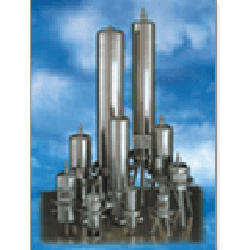
High Pressure Filters are designed in robust designs to withstand the maximum pressure of the system. They can easily work under high working pressures owing to exceptional protection to sensitive components. We can provide these filters in different designs from threaded, flanged to manifold connections.
Engineered for High-Pressure Performance
Designed for harsh operational environments, our filters feature high burst pressure ratings (up to 650 bar) and a durable stainless steel body. The robust construction ensures safety and long-term reliability in continuous-duty applications such as hydraulic and industrial processes.
Flexible Configuration & Broad Compatibility
Choose between threaded or flanged connections to best suit your system requirements. A range of micron ratings (3 to 25 micron), seal materials (Nitrile, Viton), and construction sizes provides versatility for oil, air, gas, and water filtration across diverse industrial sectors.
FAQs of High Pressure Filter:
Q: How do I install the High Pressure Filter in hydraulic or industrial systems?
A: These filters can be mounted inline or vertically, using either threaded or flanged connections based on your system configuration. Always follow the manufacturers installation instructions to ensure proper sealing and performance.Q: What is the benefit of choosing fine mesh, multi-layer construction in this filter?
A: Fine mesh, multi-layer construction offers superior retention of particulate contaminants, allowing the filter to achieve up to 99% efficiency. This ensures your hydraulic and industrial machinery operates with minimal risk of damage from impurities.Q: When should the filter element be cleaned or replaced?
A: Cleaning or replacement intervals depend on your applications contaminant load. If a differential pressure indicator is installed, perform maintenance when the indicator signals excessive pressure drop. Otherwise, periodic inspection and cleaning (manual or backwash) are recommended.Q: Where can these filters be used effectively?
A: They are ideal for hydraulic systems, process filtration, and heavy industrial machinery that require reliable removal of liquid or solid contaminants from oil, air, gas, or water streams.Q: What is the process for selecting the right filter size and micron rating?
A: Assess your applications flow rate, contaminant size, and pressure conditions. Choose the micron rating (between 3-25 microns) and appropriate diameter (standard or custom) that best matches your filtration needs. Consult with the manufacturer or supplier for guidance.Q: How does the optional differential pressure indicator aid in filter maintenance?
A: The indicator monitors the pressure difference across the filter, alerting you when the filter becomes clogged and requires cleaning or replacement, which helps in maintaining consistent filter efficiency and preventing potential system damage.Q: What benefits do Nitrile and Viton seals provide?
A: Nitrile seals are suitable for general oil and fuel filtration, whereas Viton seals offer enhanced chemical and temperature resistance. This increases the filters compatibility with a broader range of fluids, including aggressive or high-temperature media.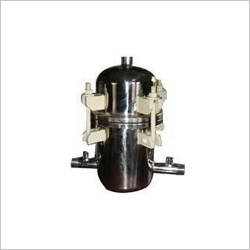
Tell us about your requirement

Price:
Quantity
Select Unit
- 50
- 100
- 200
- 250
- 500
- 1000+
Additional detail
Mobile number
Email

More Products in Process Filters Category
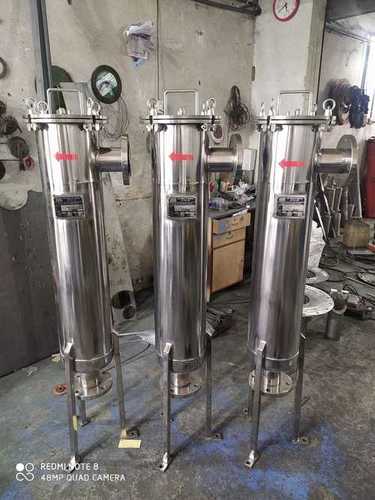
Stainless Steel Filter Housing
Price Range 5500.00 - 8500.00 INR / Piece
Minimum Order Quantity : 1 Piece
Mesh : 0.2 Micron to 6000 Micron & More
Shape : Cylindrical
Construction : Cartridge Filter
Threaded Filter Housings
Minimum Order Quantity : 1 Piece
Mesh : 10 to 200
Shape : Customized
Construction : Cartridge Filter
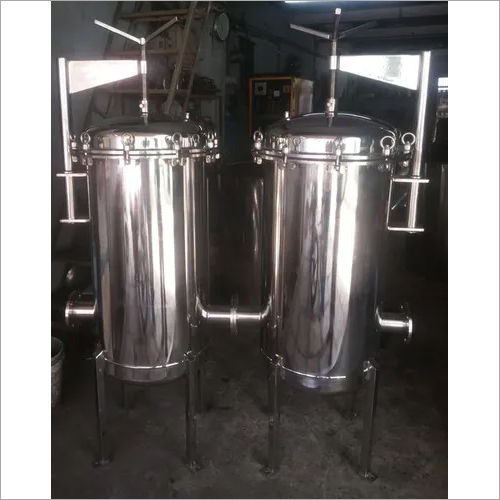
Bag Filter
Price Range - 250000.00 / Piece
Minimum Order Quantity : 1 Piece
Mesh : 40
Shape : Customized
Construction : Bag Filter
Cartridge Filter Housing
Price 6000 INR / Piece
Minimum Order Quantity : 2 Pieces
Mesh : 5100 Micron (as required)
Shape : Cylindrical/Vertical
Construction : Other, Single & Multi Cartridge Design

Contact Details

- A Wing, 4th Floor, 10 & 11, Signet Plaza, Kunal Char Rasta, Samta Gotri Road, Gotri, Vadodara - 390021, Gujarat, India
- Phone : 08045804157
GTS FILTERS AND SYSTEMS (INDIA) PRIVATE LIMITED
Vadodara - Gujarat, India
Vadodara - Gujarat, India

- Mr Nikunj Patel (Director)
- Mobile : 08045804157
- sales.gtsfilters@gmail.com

|

 Send Inquiry
 Send SMS
GTS FILTERS AND SYSTEMS (INDIA) PRIVATE LIMITED
All Rights Reserved.(Terms of Use)
Developed and Managed by Infocom Network Private Limited.
Developed and Managed by Infocom Network Private Limited.

